
Find your clinic
Our expanding network of convenient locations throughout Manhattan, Brooklyn, Queens, New Jersey, Long Island, Westchester, Staten Island, and Connecticut mean you'll never be far from the nation's best physical therapists.

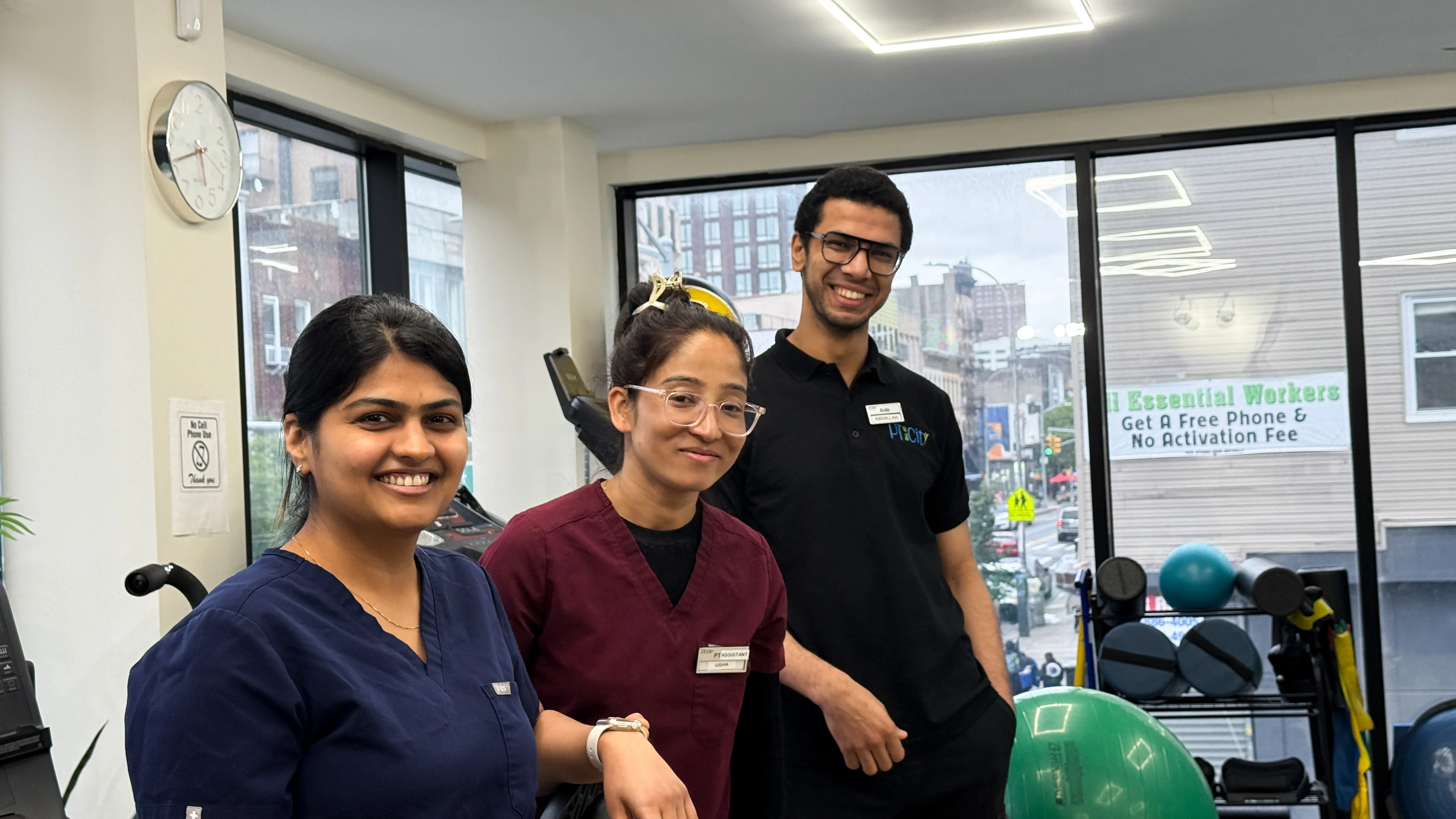
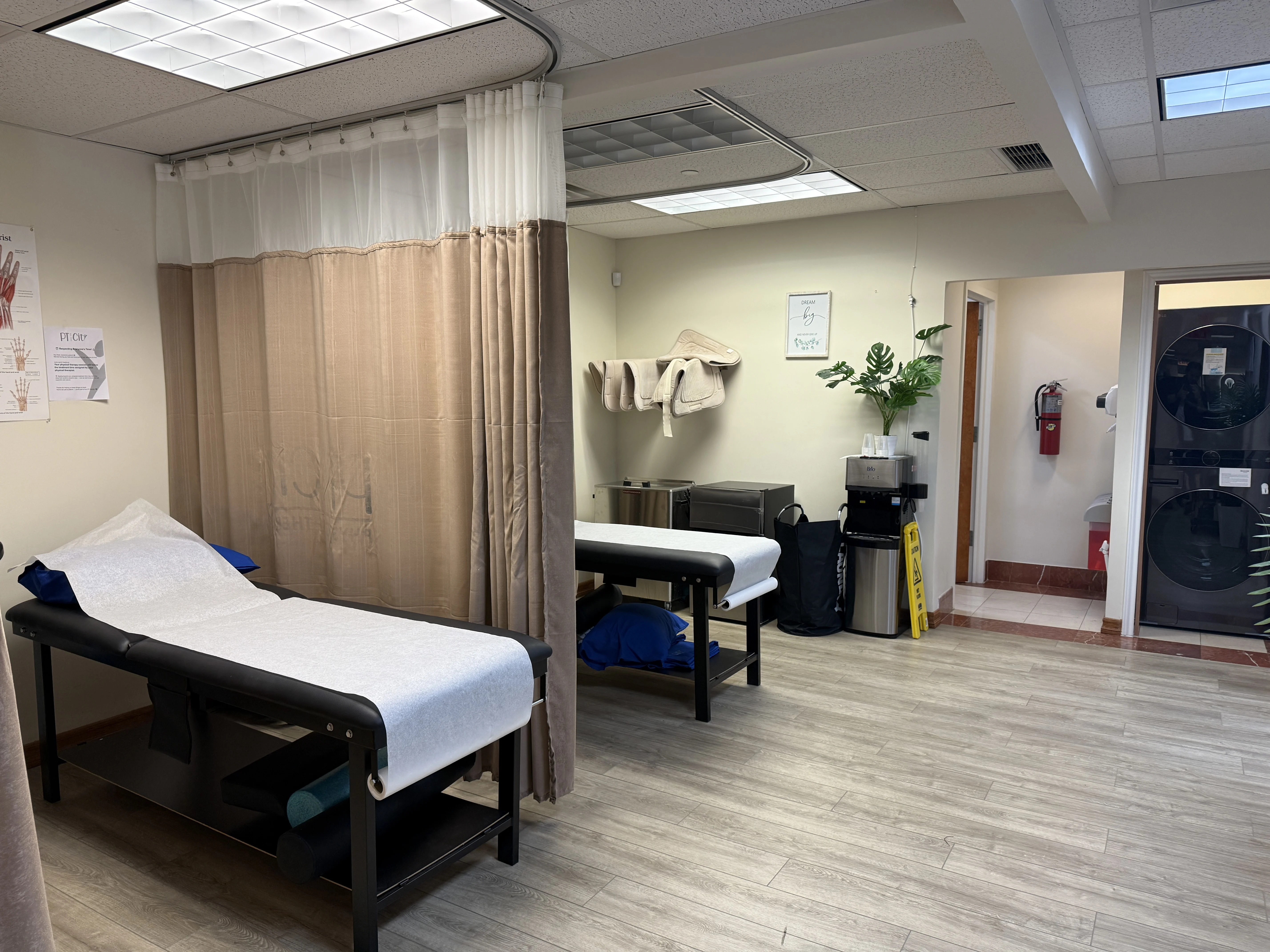
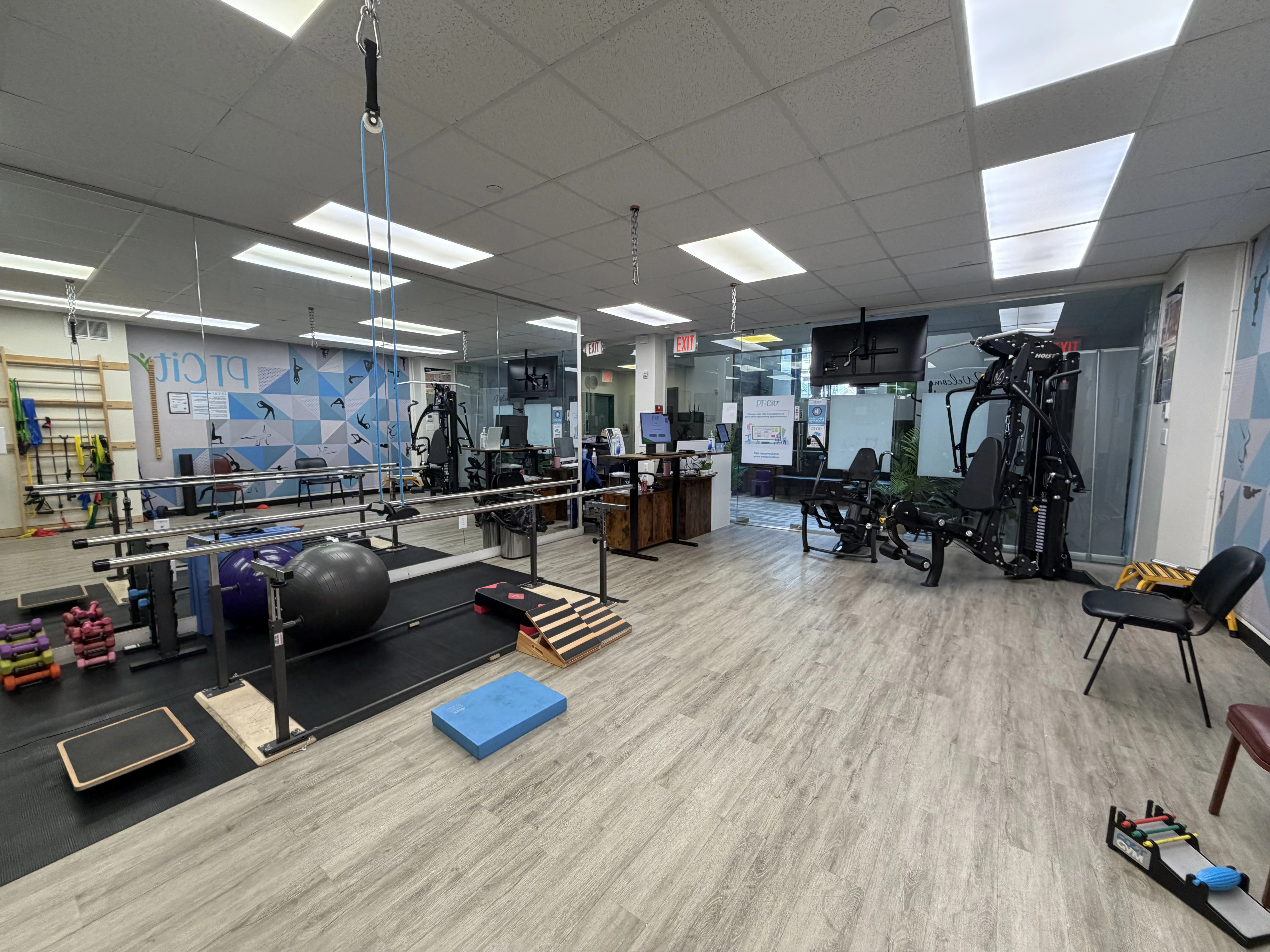
GreenpointGreenpoint Greenpoint 157 Greenpoint Ave, Brooklyn, NY 11222, Ext 141.Brooklyn, NY 5431 NS
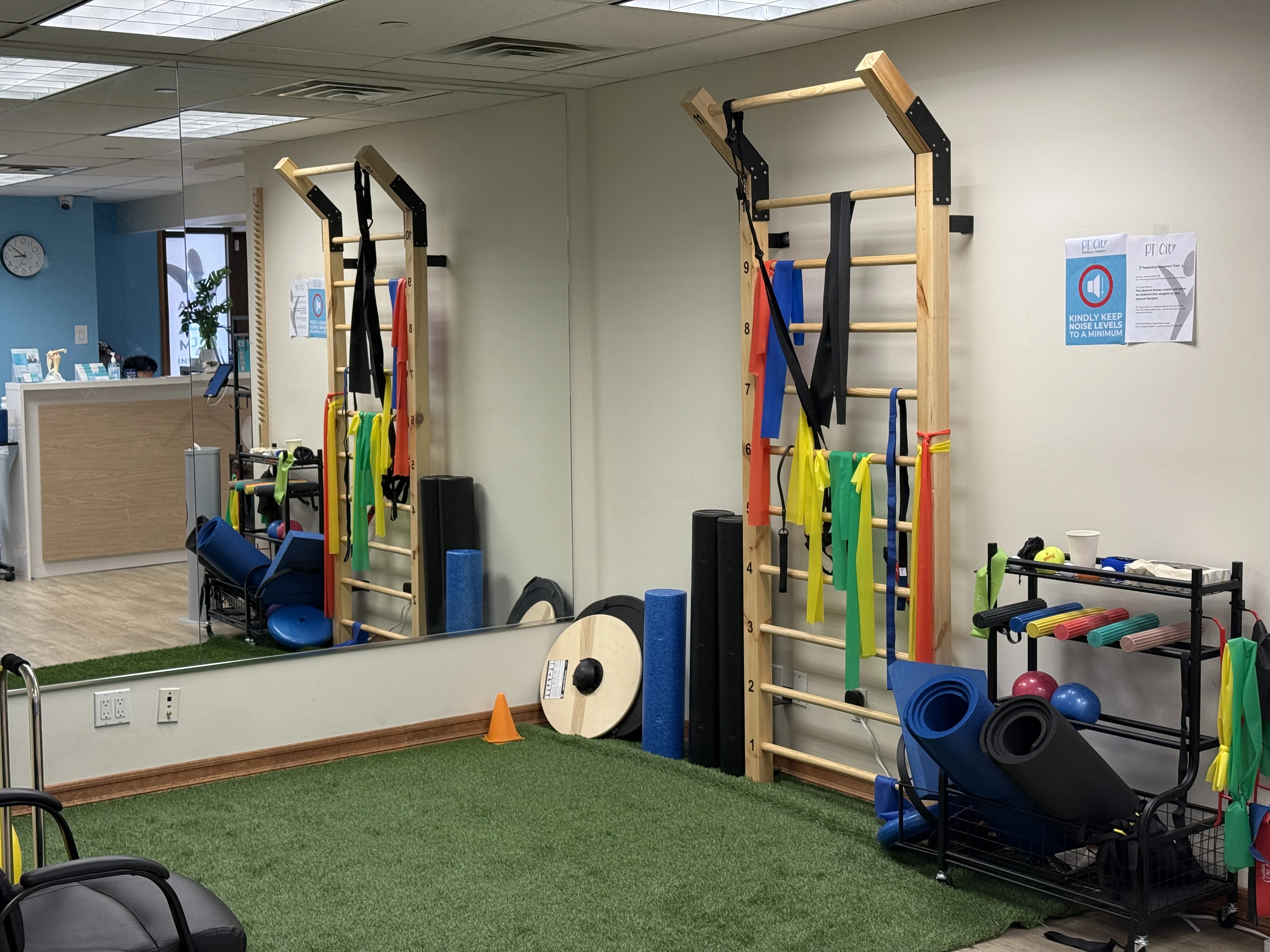

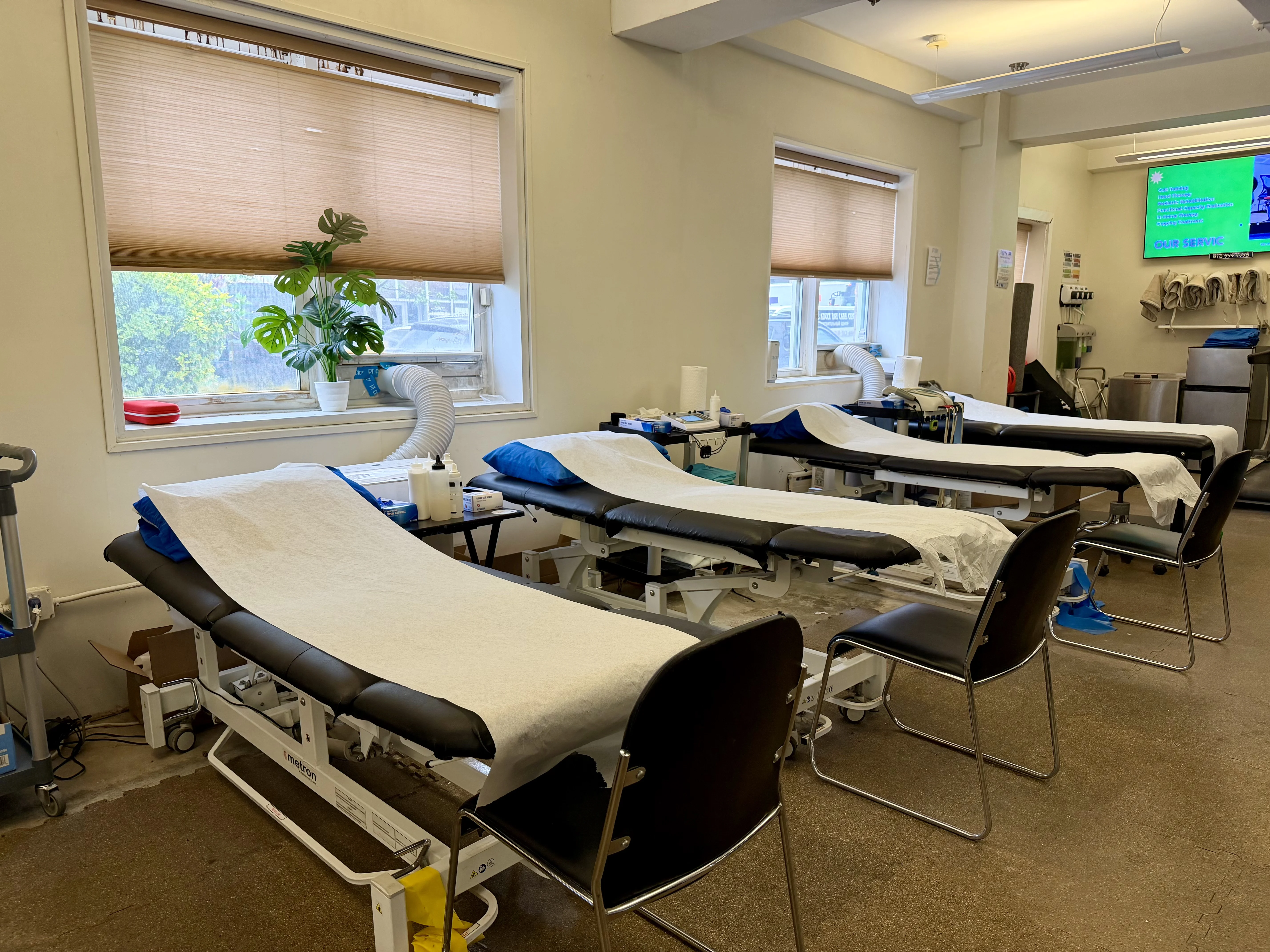
Sheepshead BaySheepshead Bay Sheepshead Bay 1514 Voorhies Ave, Brooklyn, NY 11235, Ext 101.Brooklyn, NY 11235
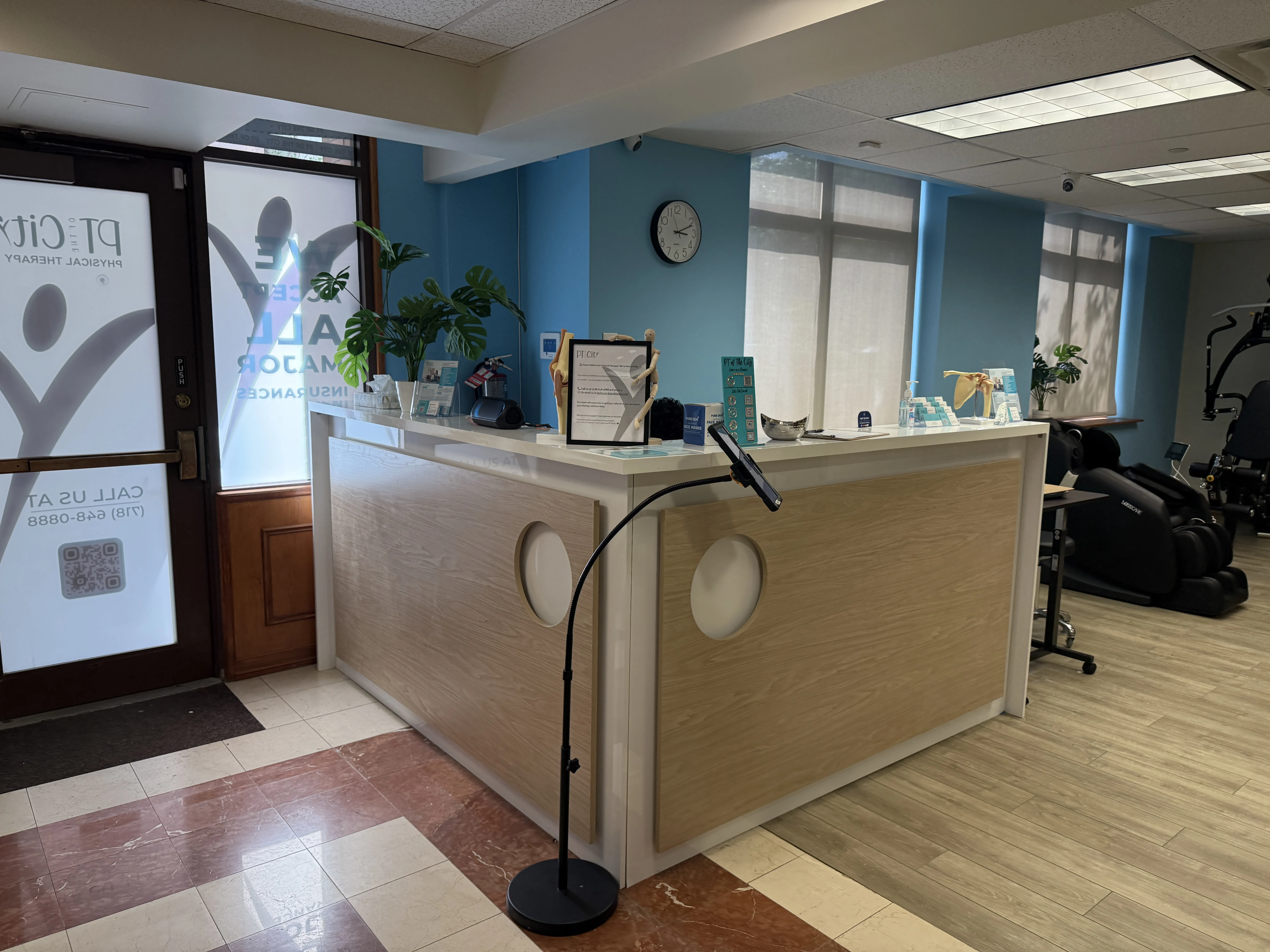
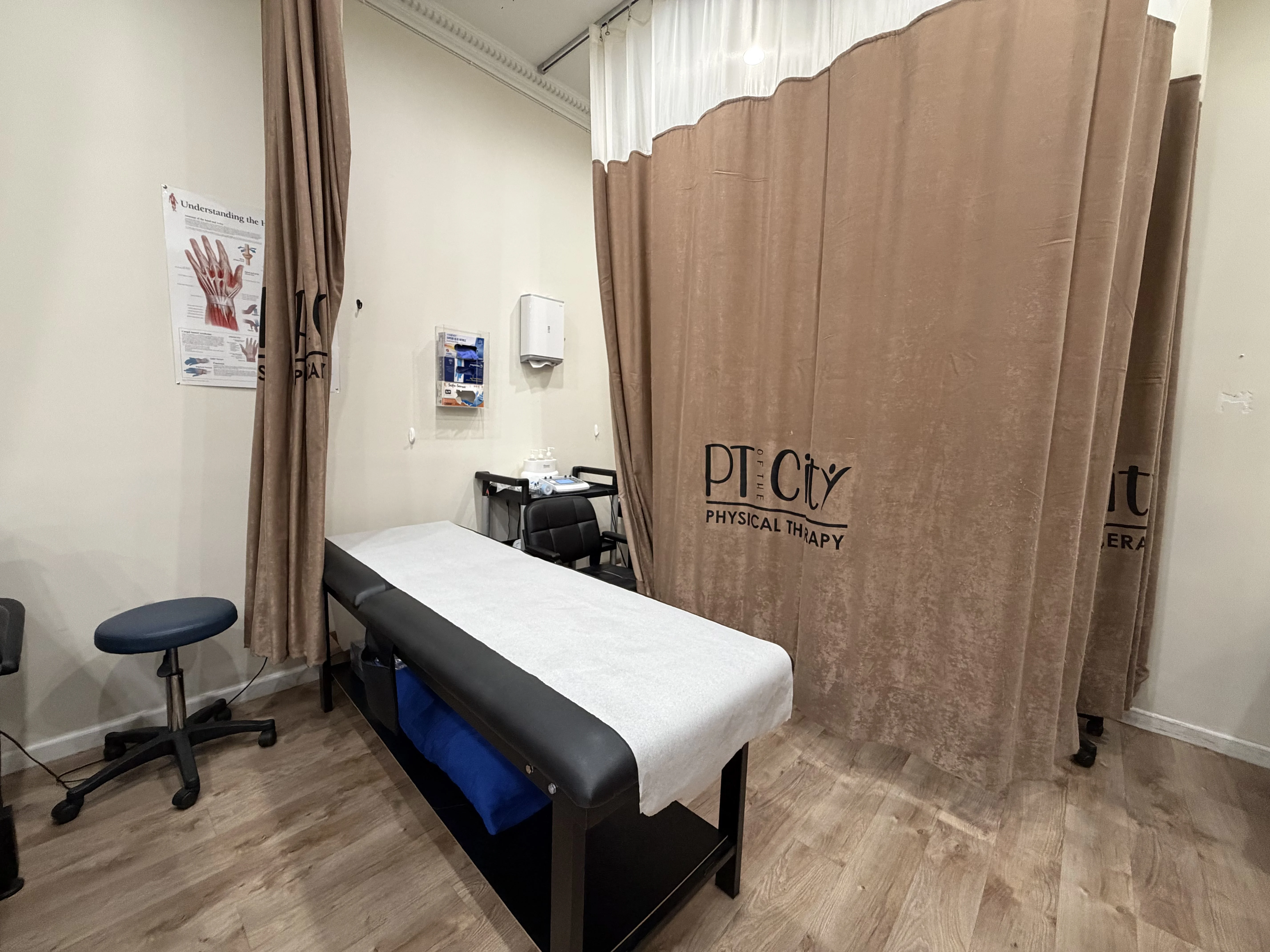
Clinton HillClinton Hill Clinton Hill 467 Myrtle Ave, Brooklyn, NY 11205, Ext 130.Brooklyn, NY 11205
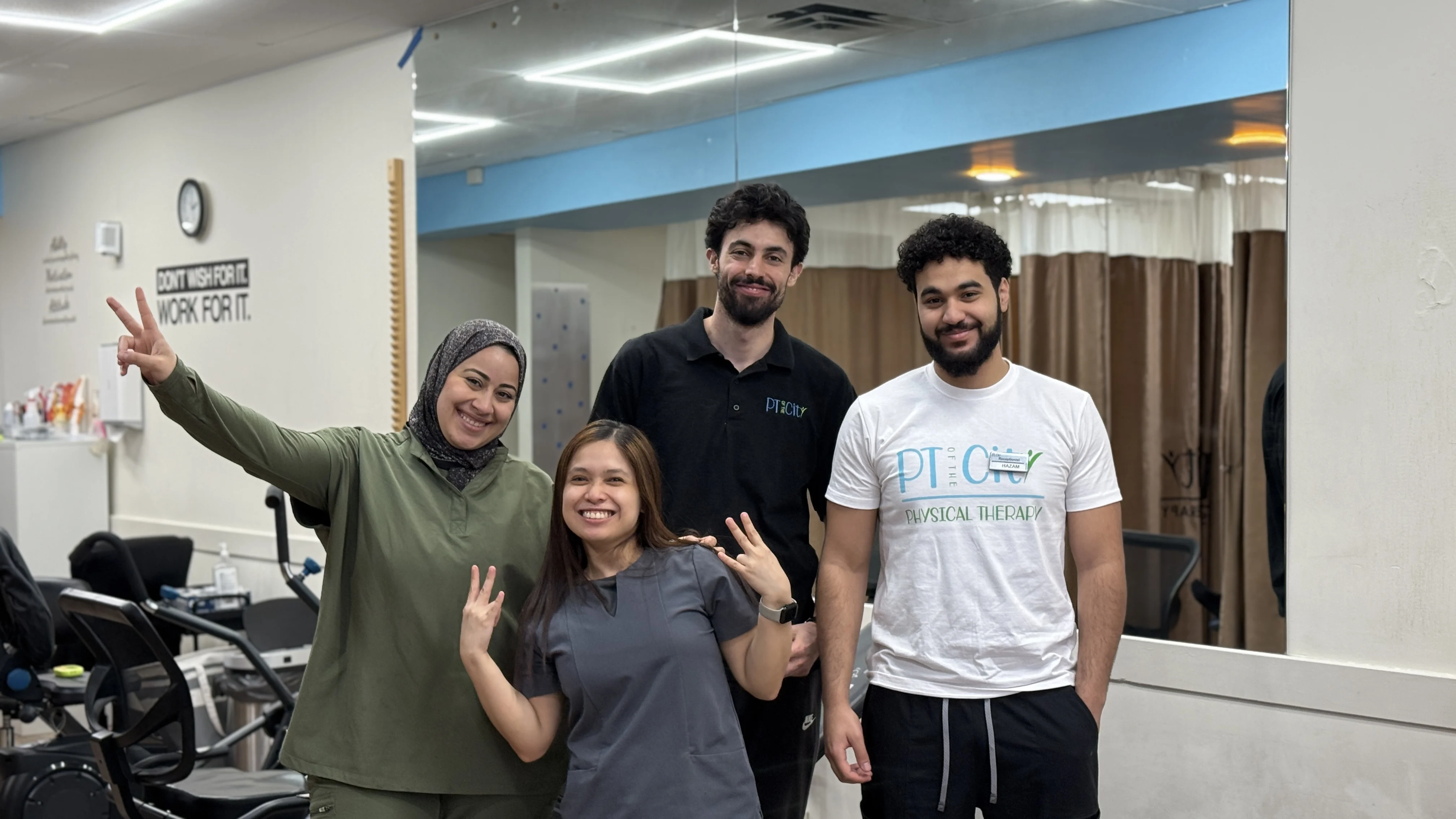
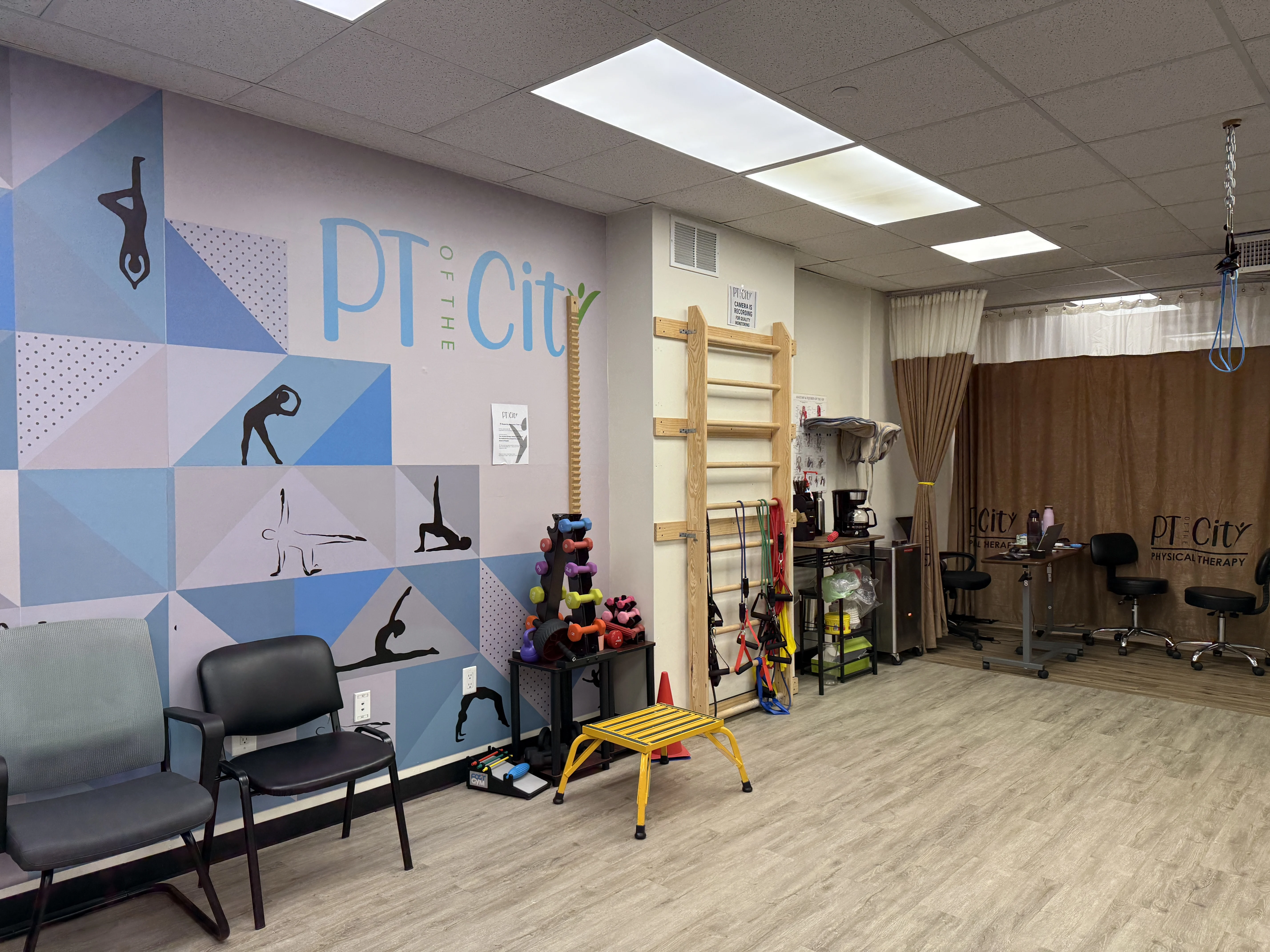
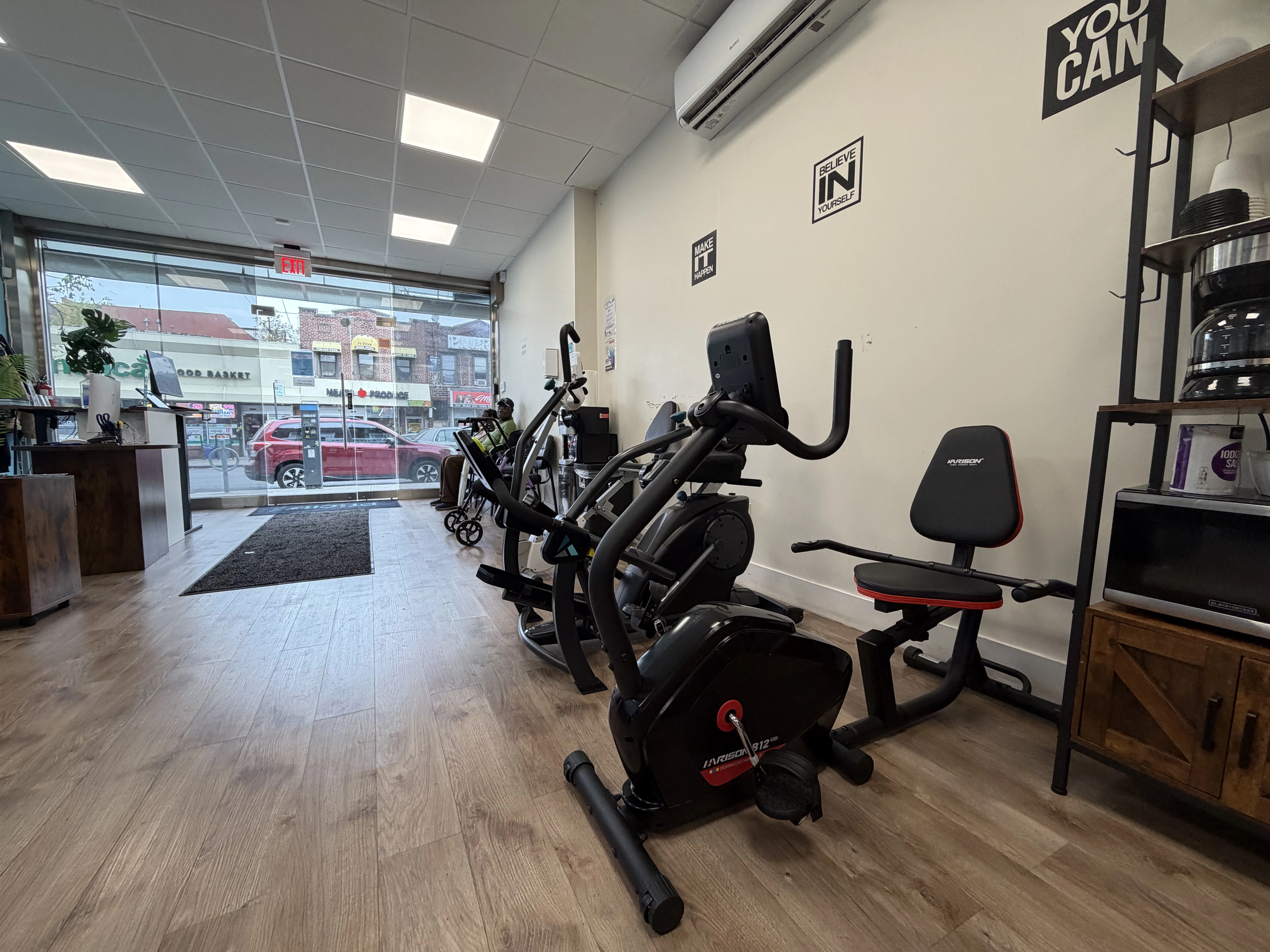
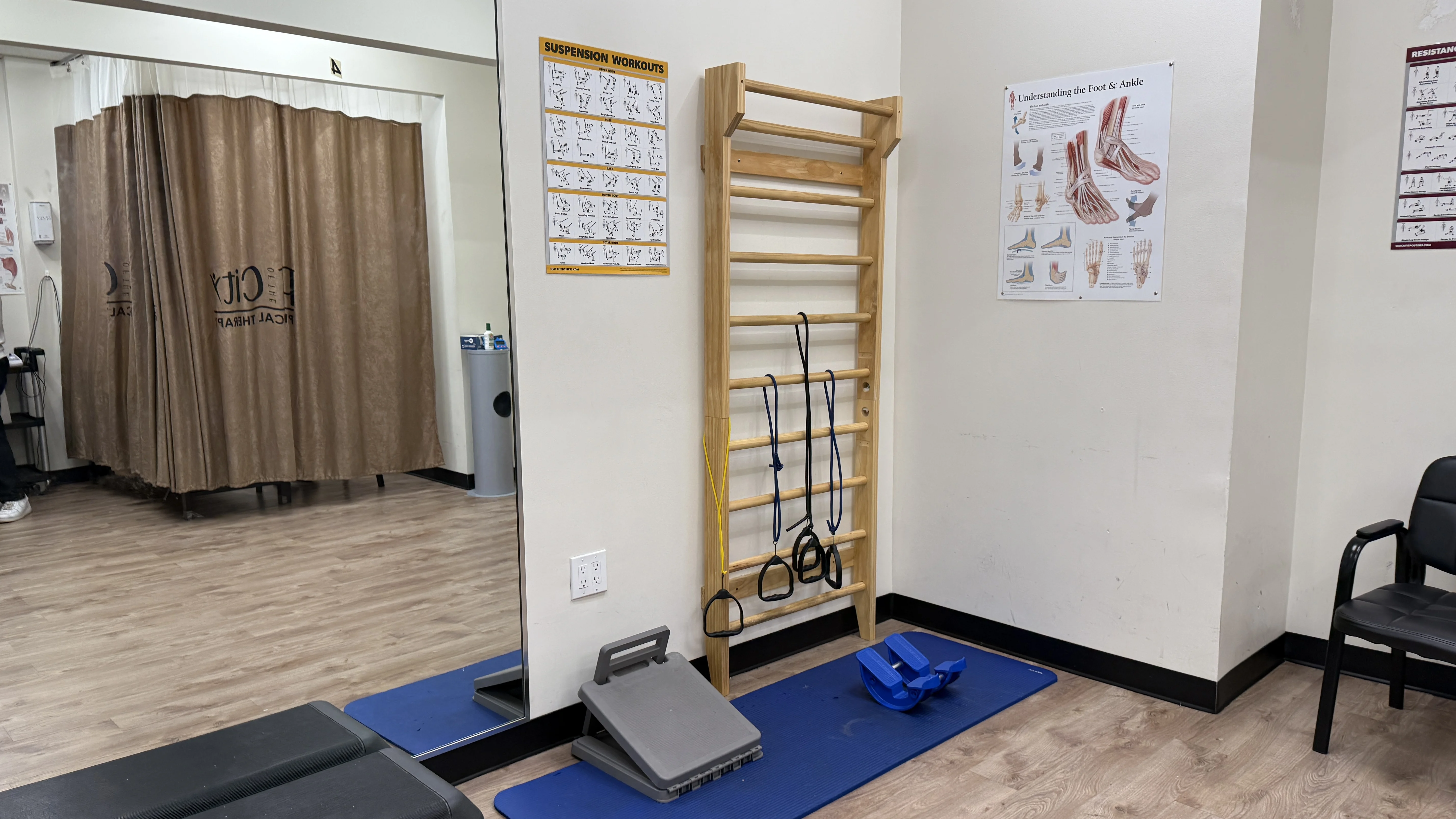
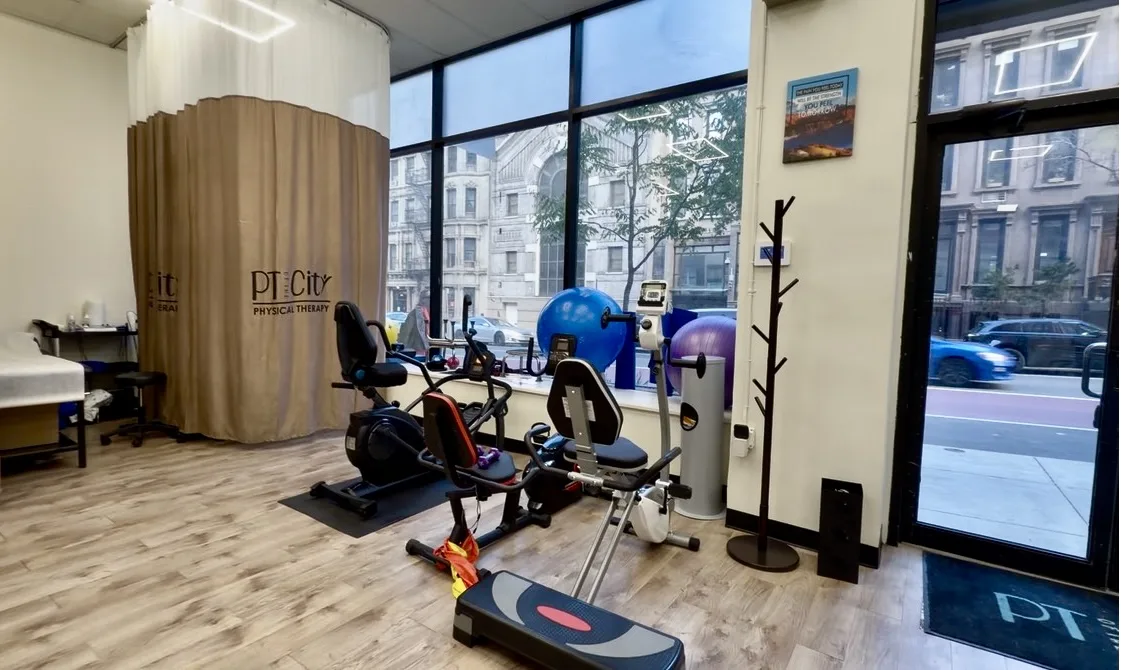
Castle HillCastle Hill Castle Hill 612 Castle Hill Ave, The Bronx, NY 10473, Ext 121.The Bronx, NY 10473
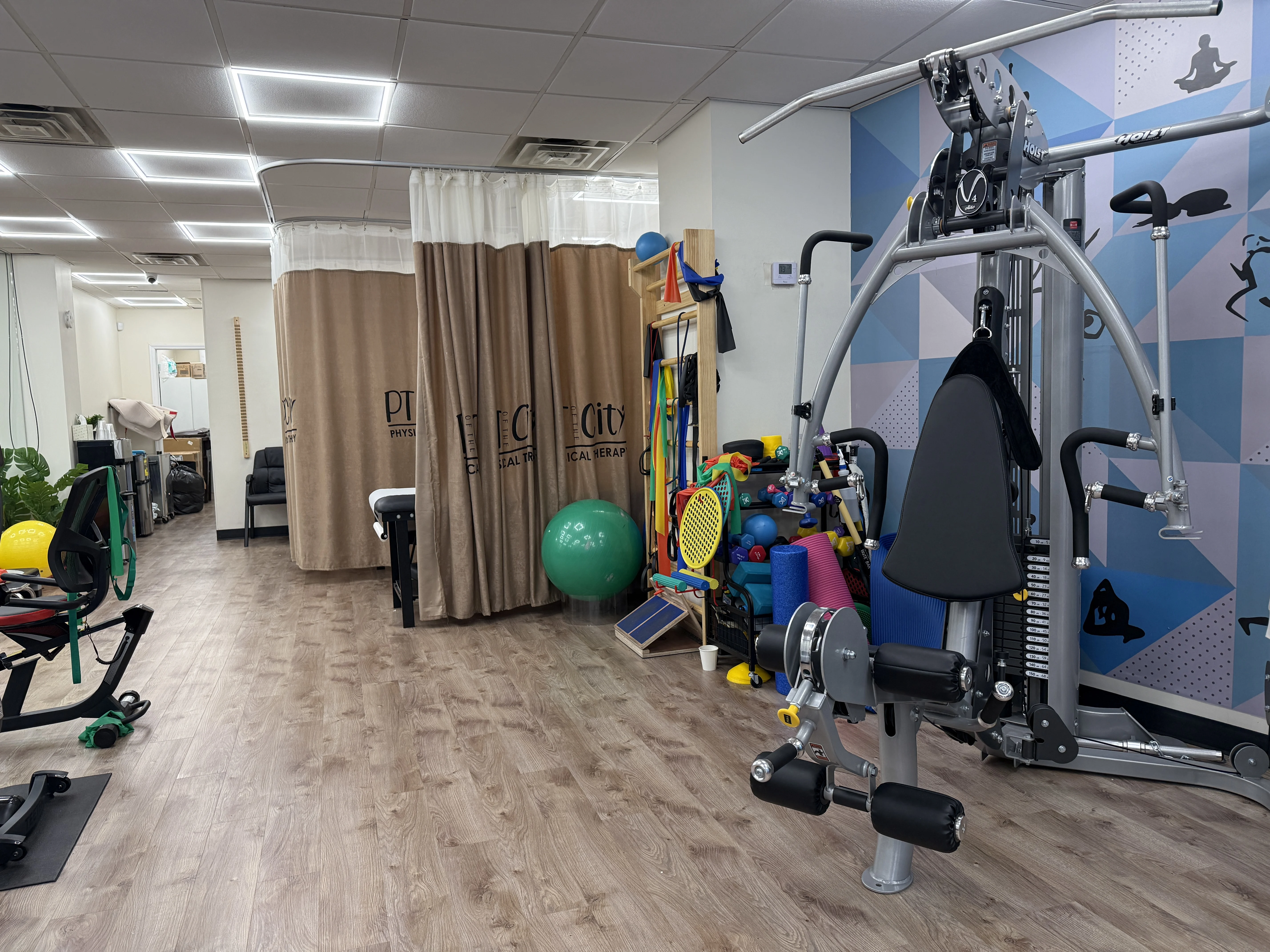
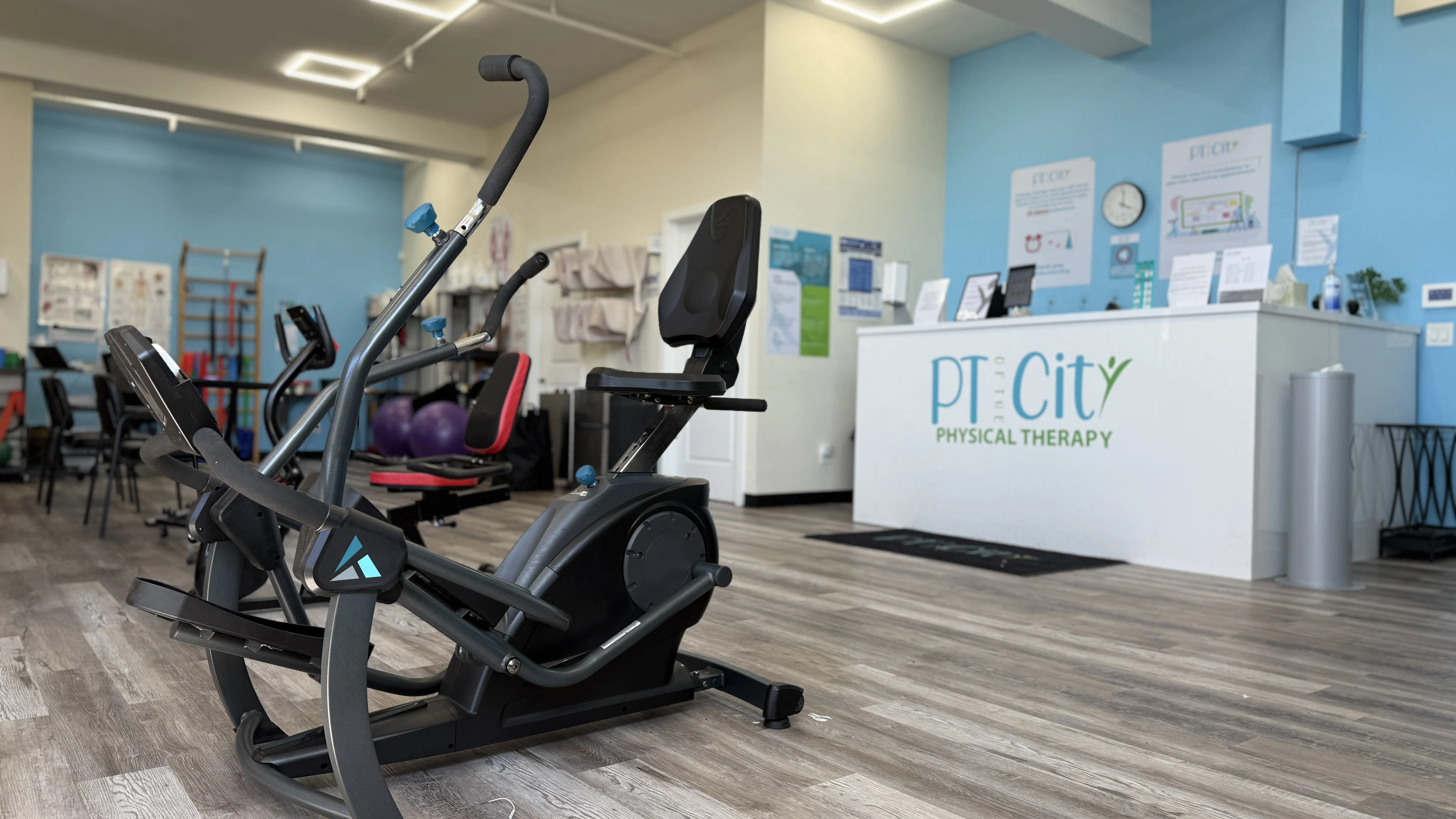
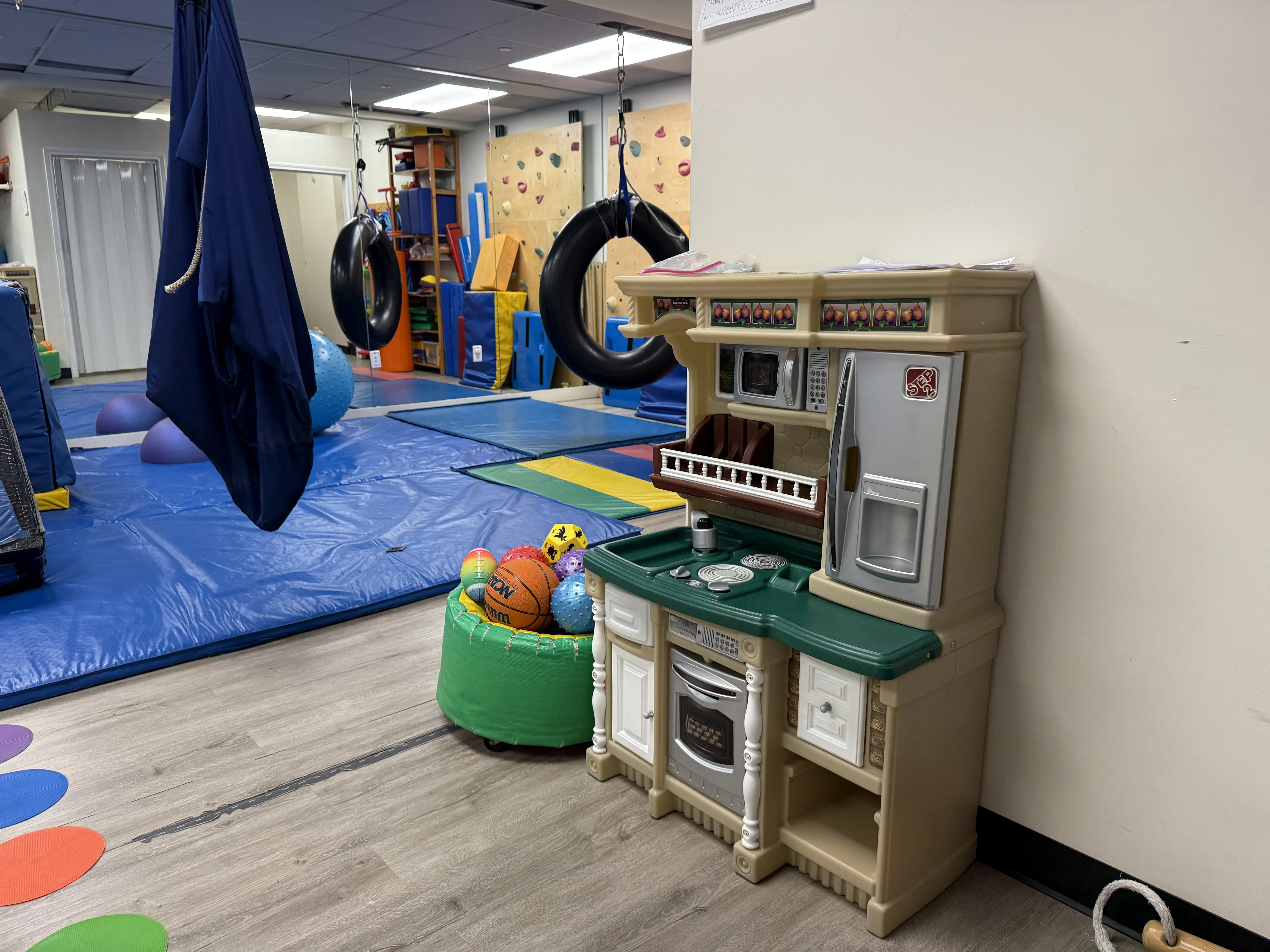
Hunts PointHunts Point Hunts Point 798 Southern Blvd, The Bronx, NY 10455, 2nd Floor, Ext 120.The Bronx, NY 10455

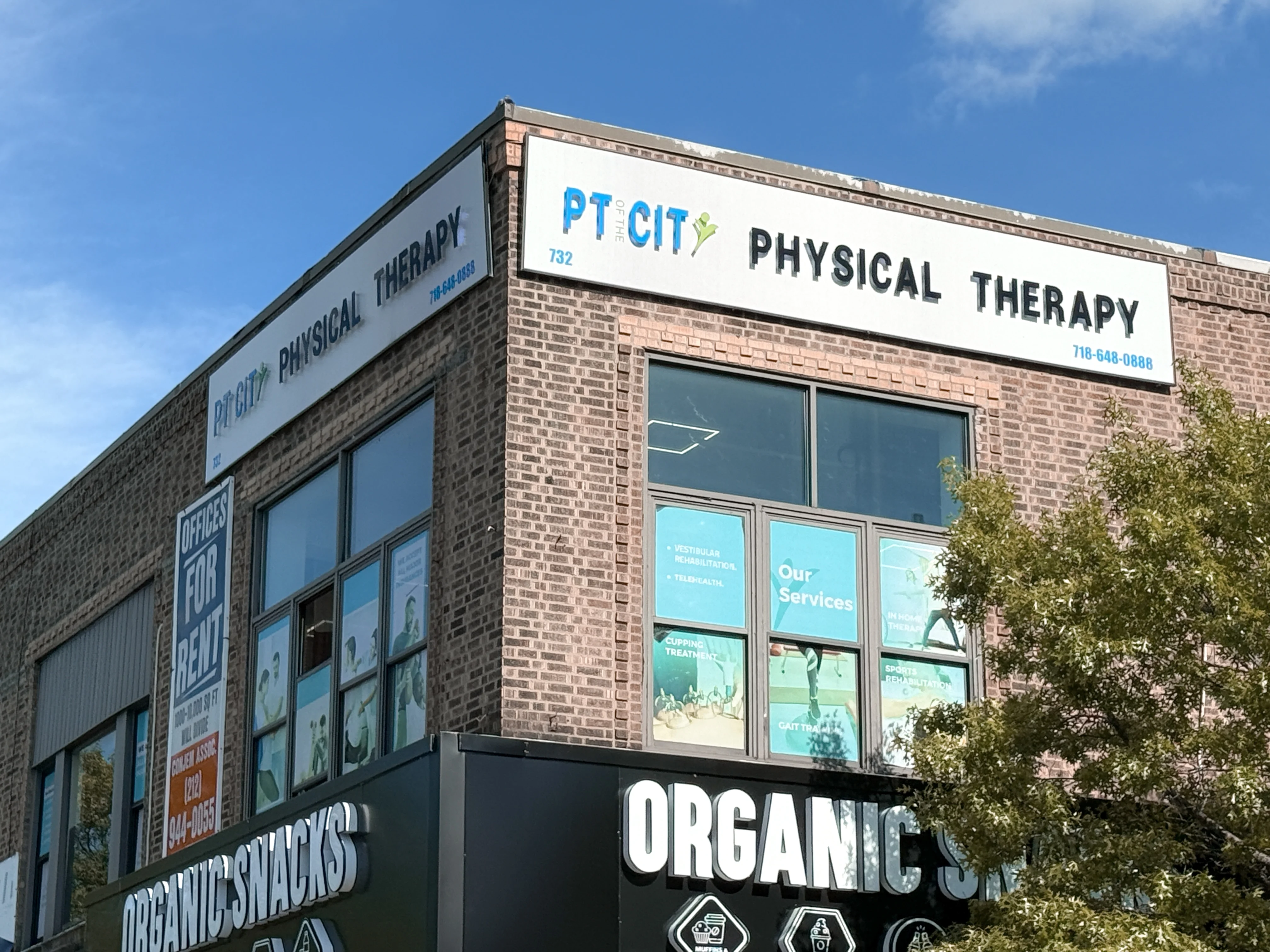
Allerton Allerton Allerton 732 Allerton Ave, The Bronx, NY 10467, 2nd Floor, Ext 126.The Bronx, NY 10467
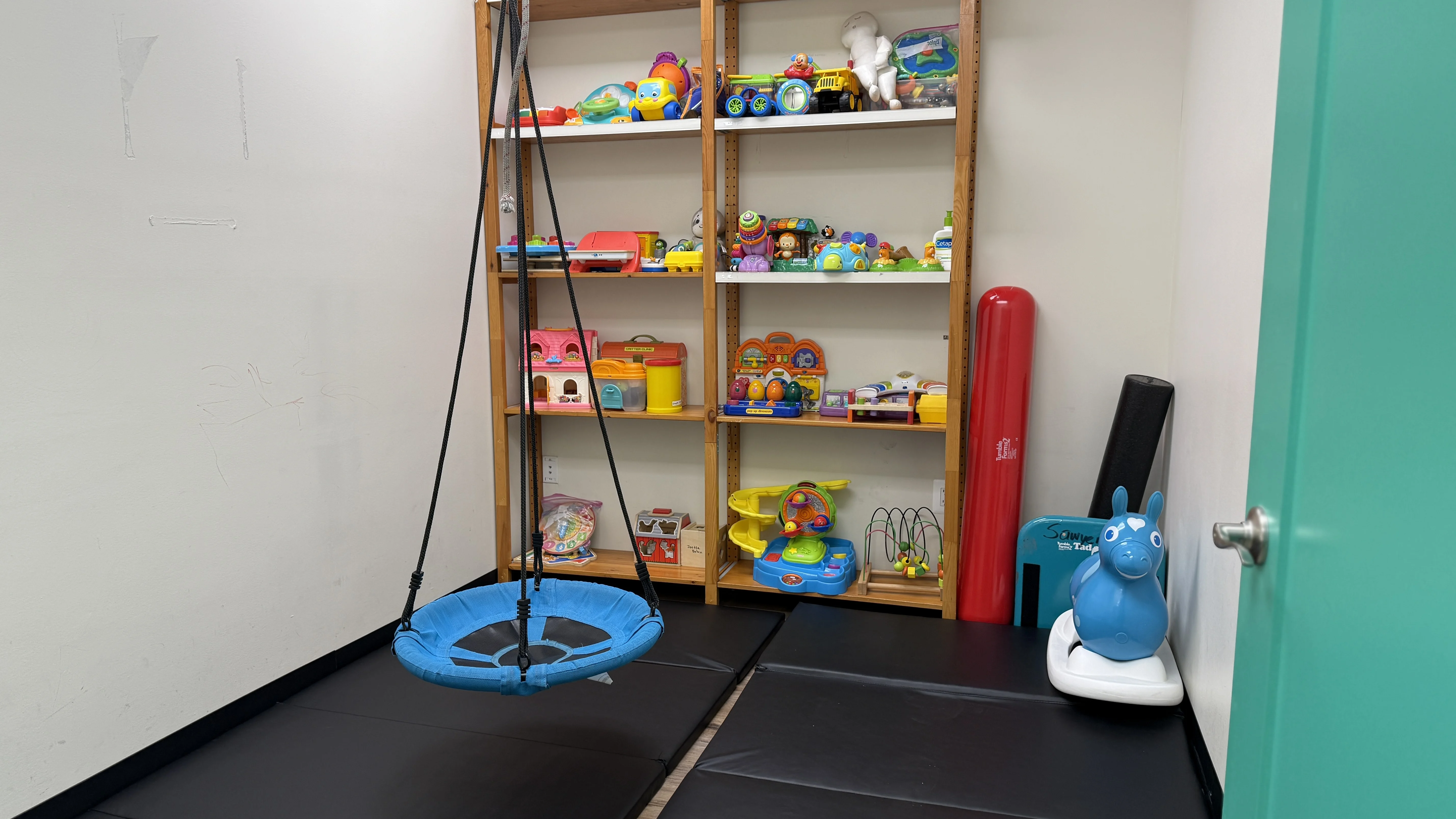
Grand ConcourseGrand Concourse 2488 Grand Concourse RM 205, Bronx, NY 10458, Ext. 144The Bronx, NY 10458
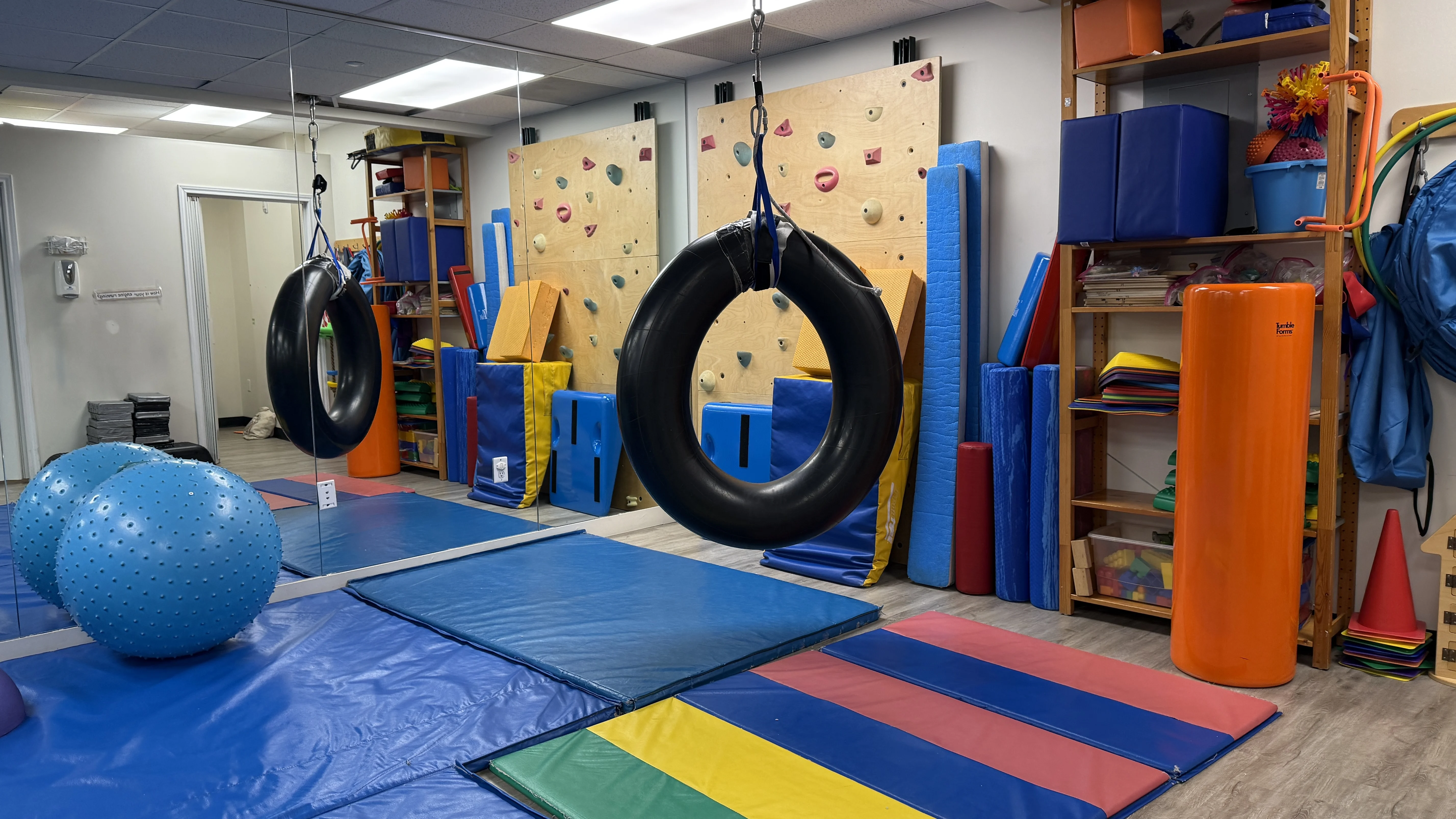
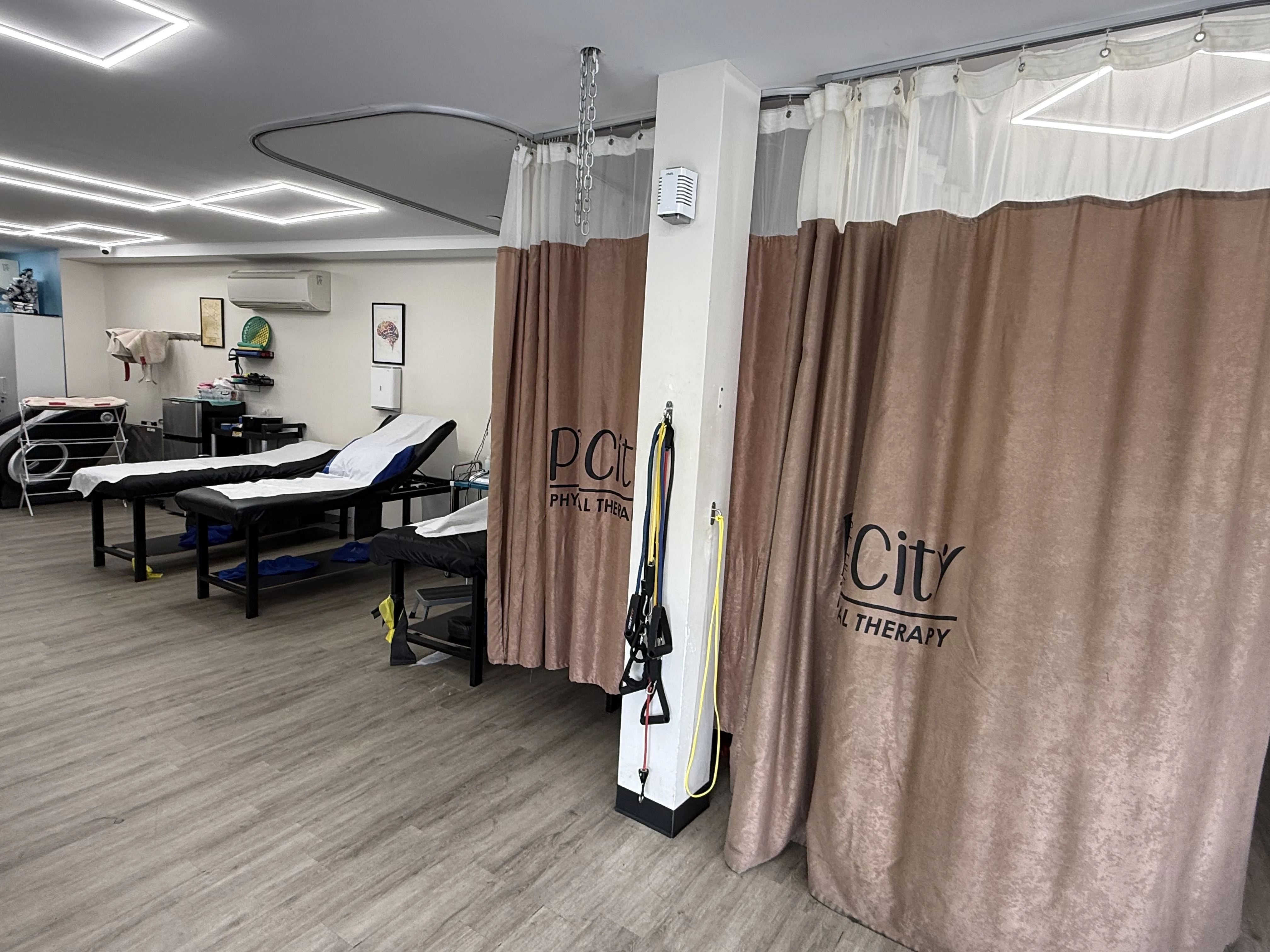
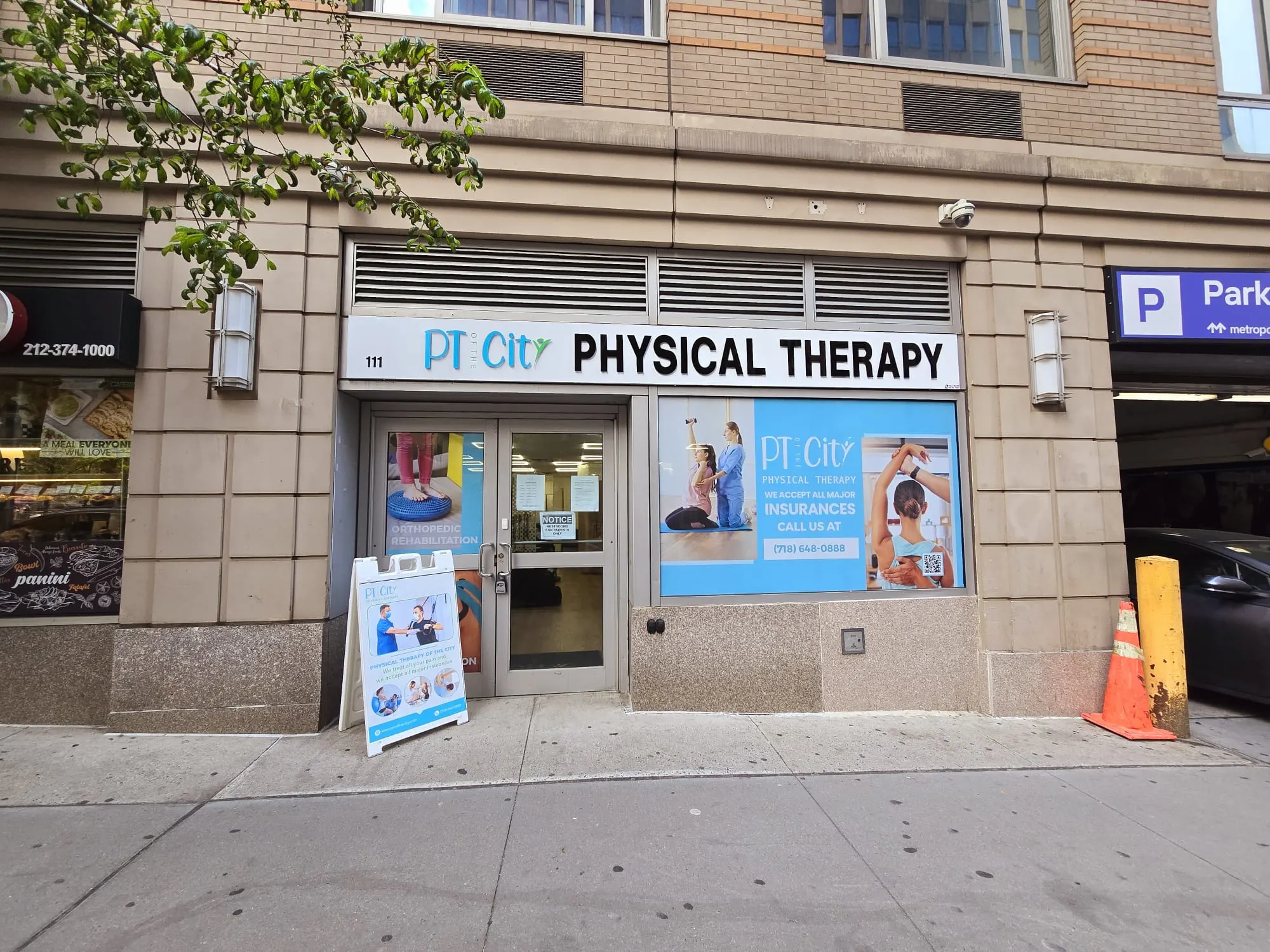
Hell’s KitchenHell’s Kitchen Hell's Kitchen 311A W 50th St, New York, NY, 10019, Ext 142.Manhattan, NY 10019
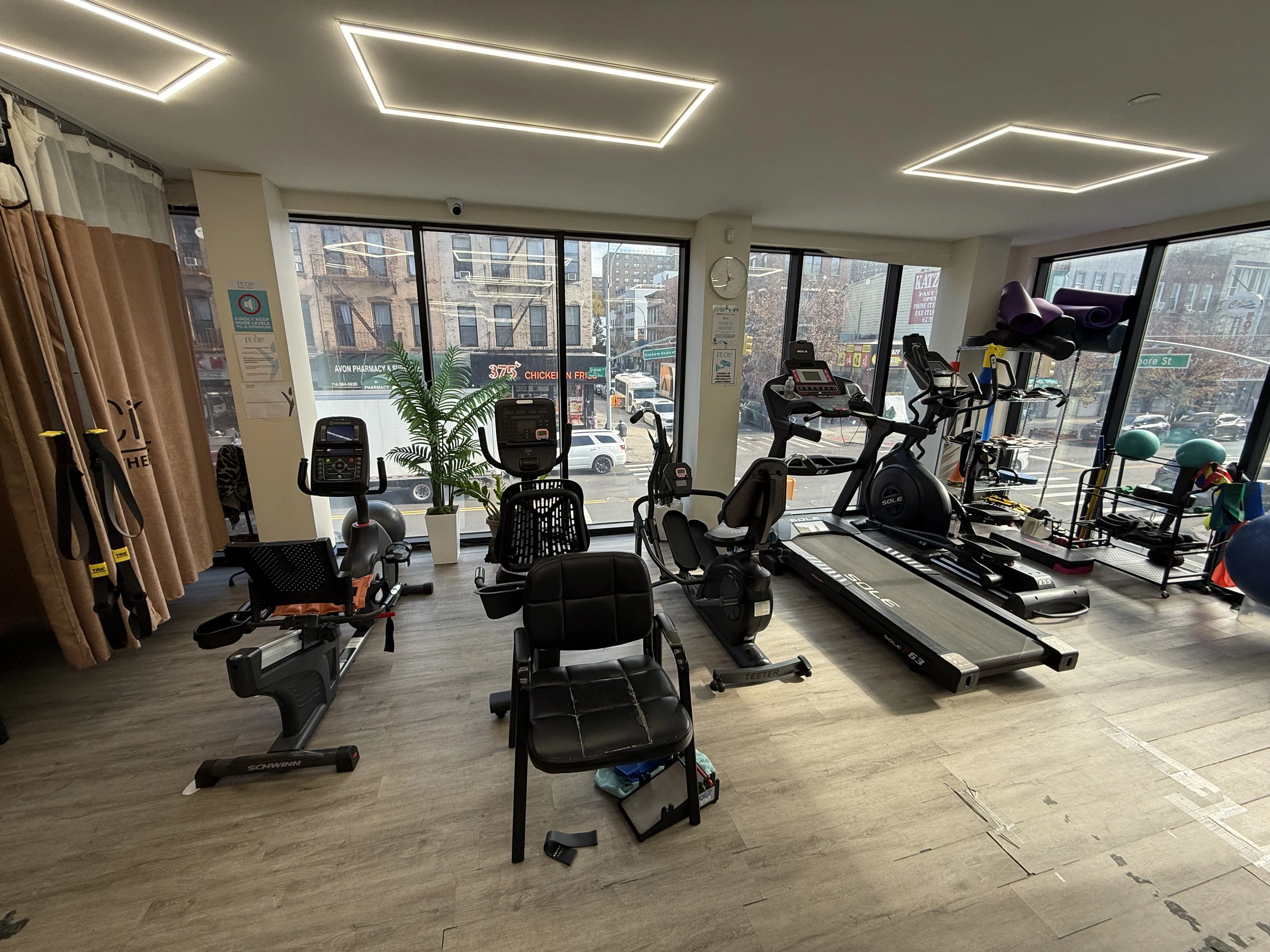
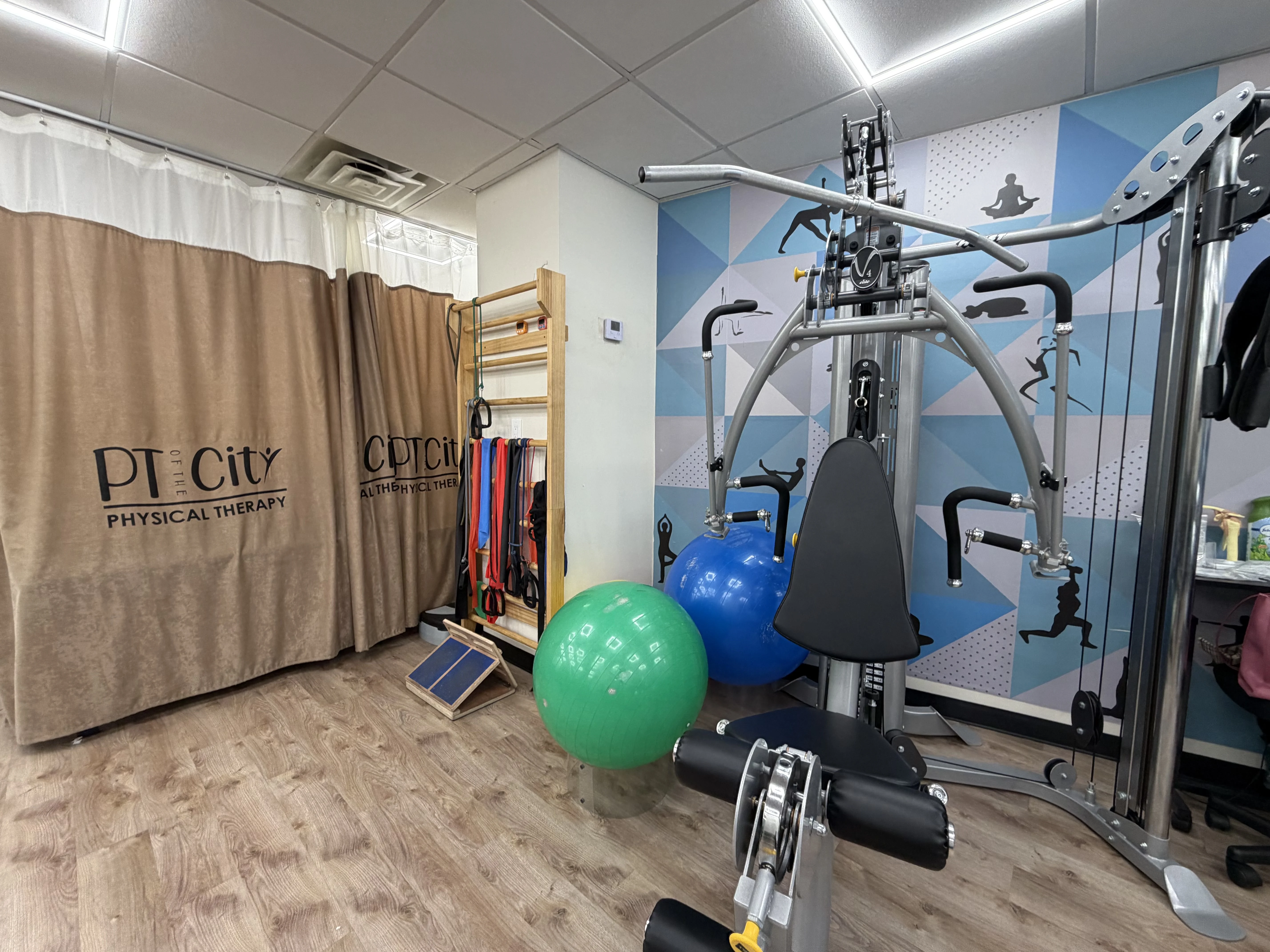

Central HarlemCentral Harlem Central Harlem 17 West 125th St, New York, NY 10027, Ext 129.Manhattan, NY 10027
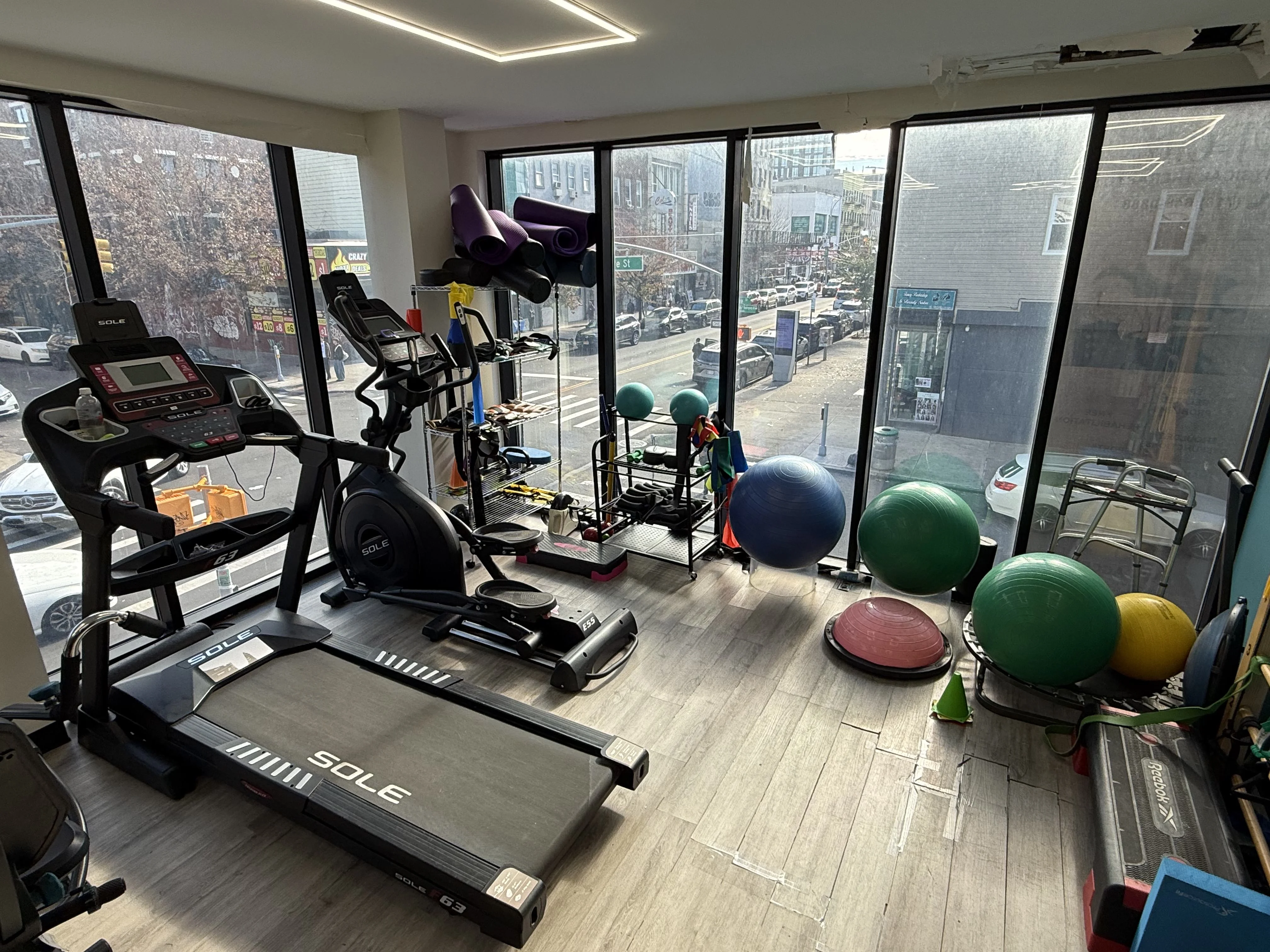
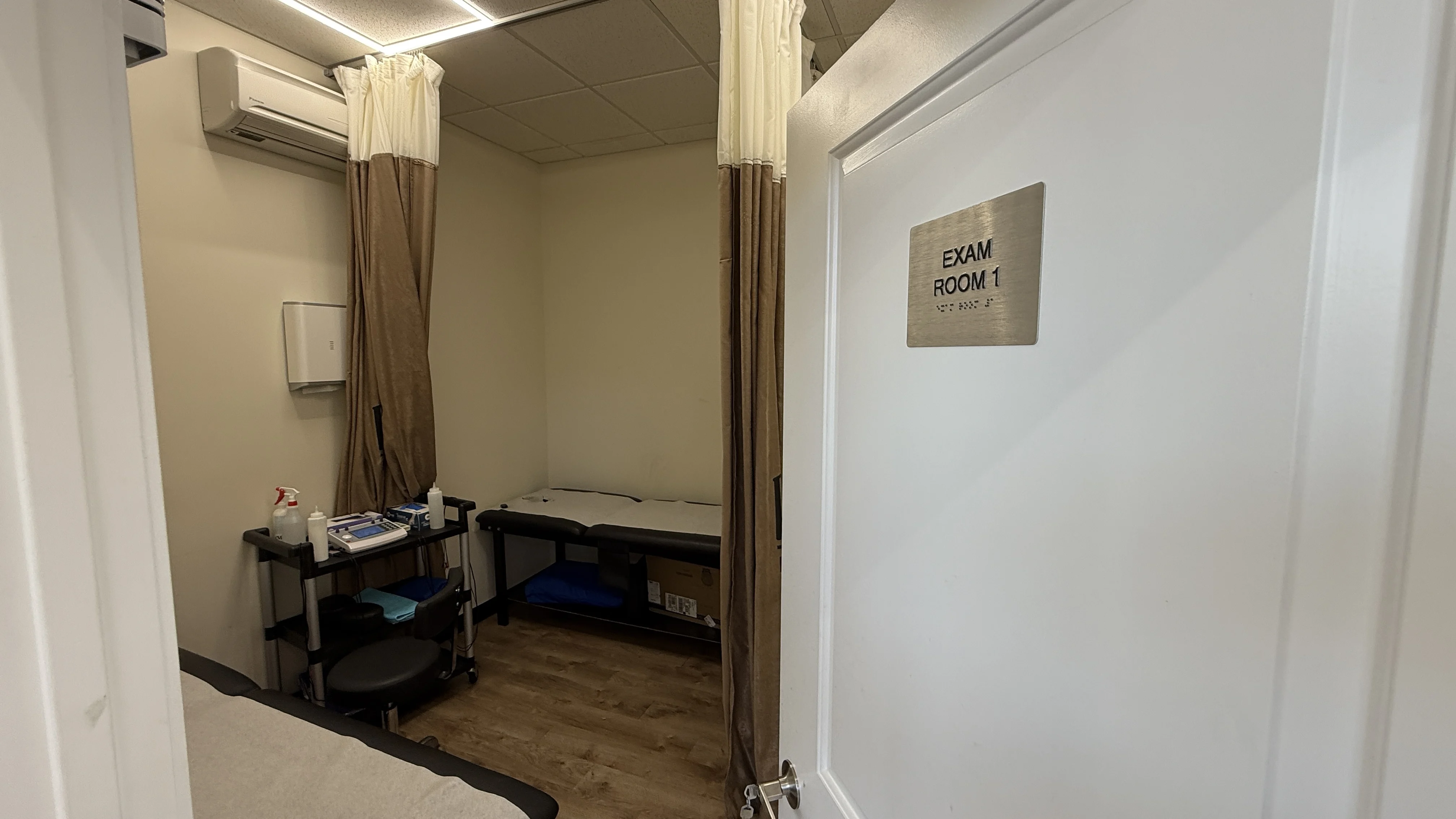
Sugar HillSugar Hill Sugar Hill 752 Saint Nicholas Ave, New York, NY 10031, Ext 115.Manhattan, NY 10031
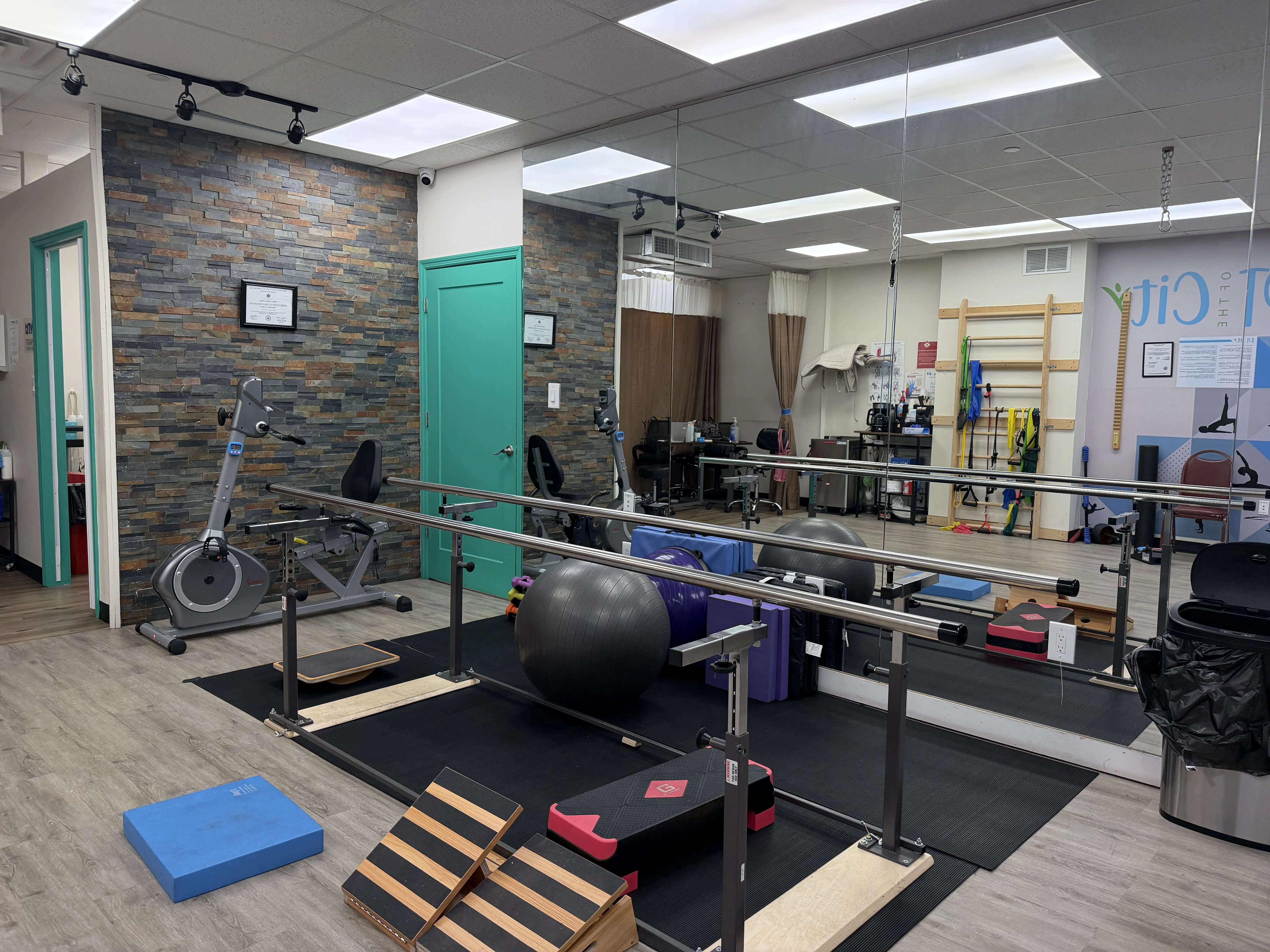
Upper East SideUpper East Side Upper East Side 1458 Lexington Ave, New York, NY 10128, Ext 132.Manhattan, NY 10128
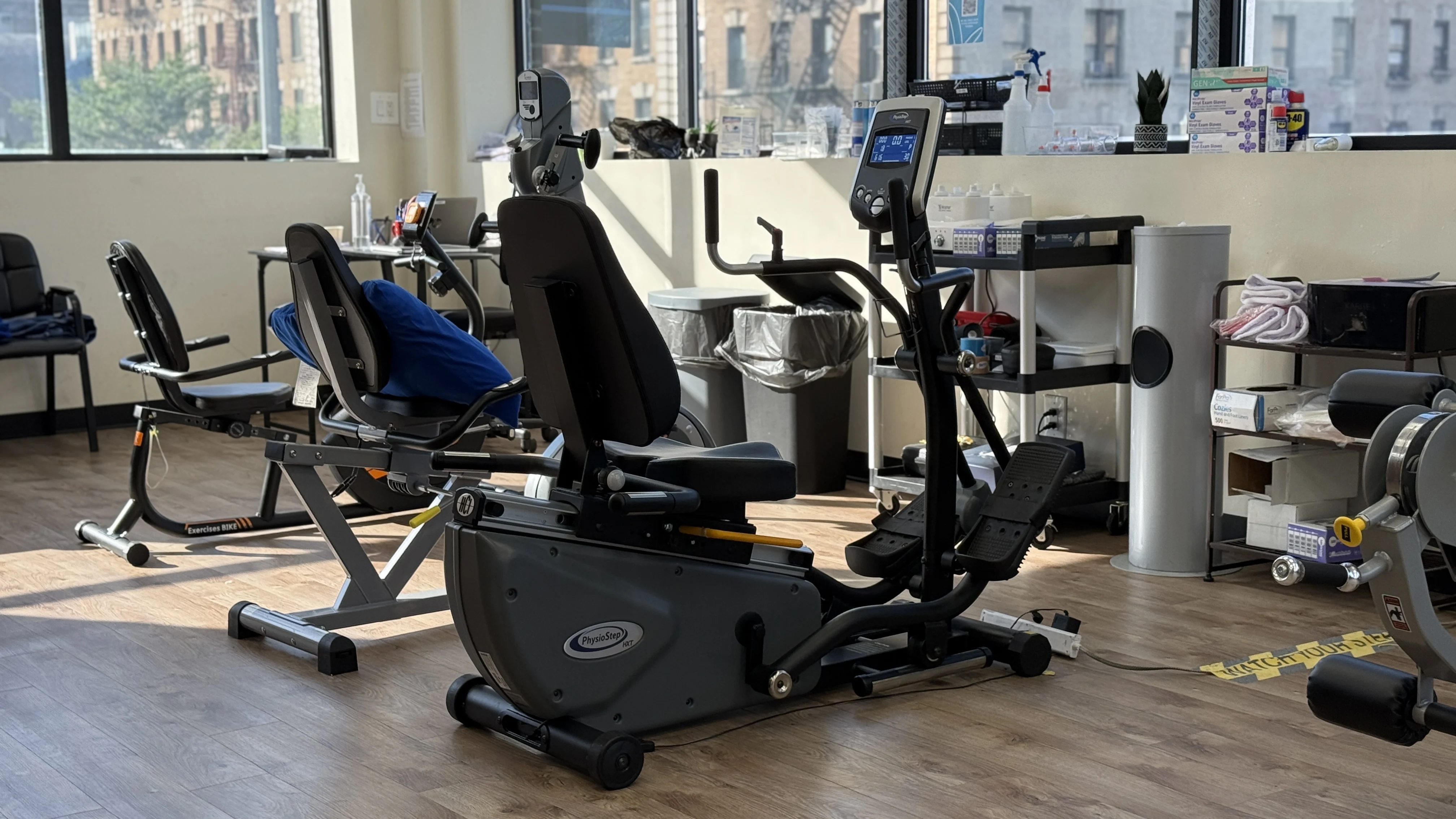
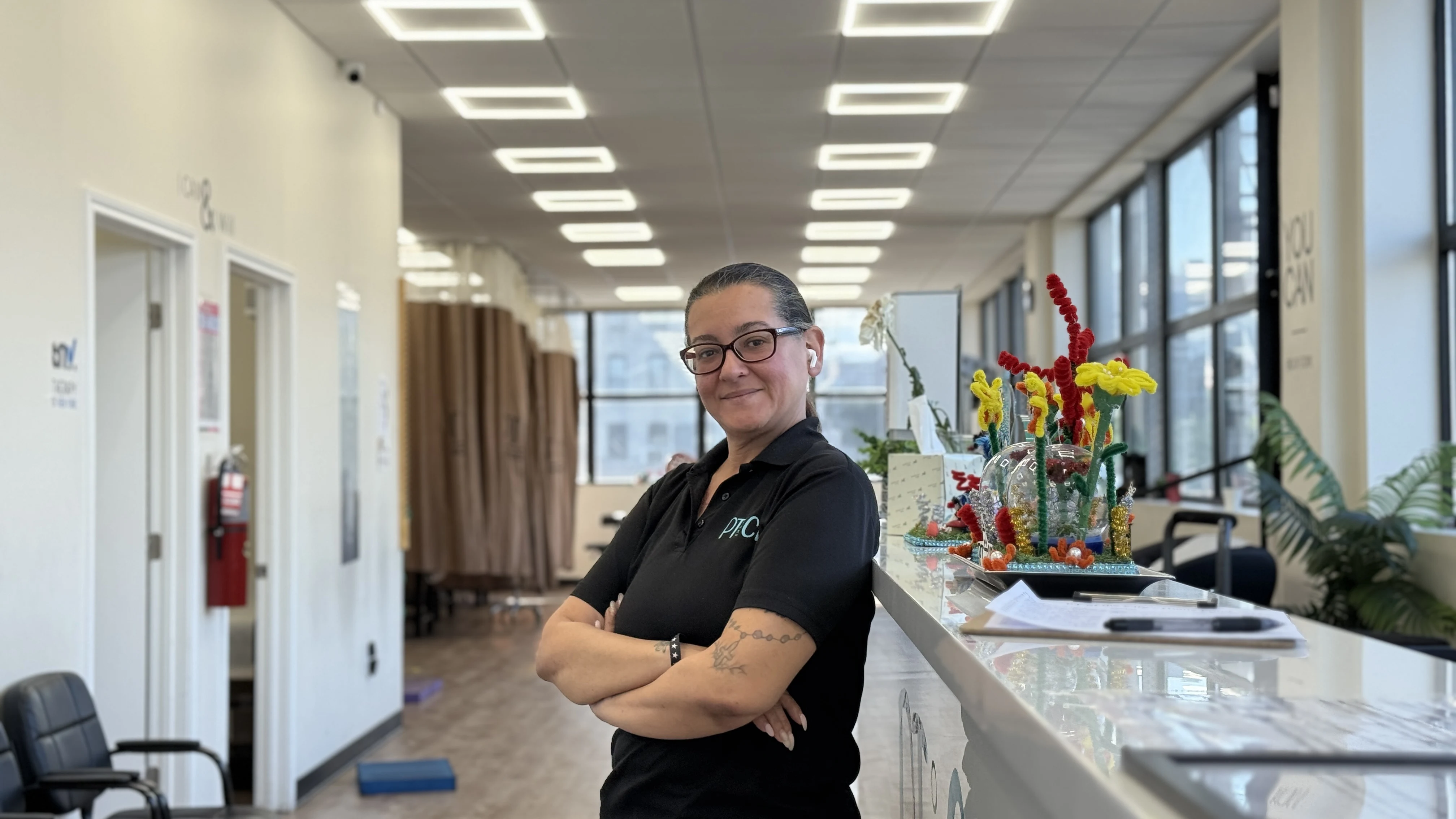

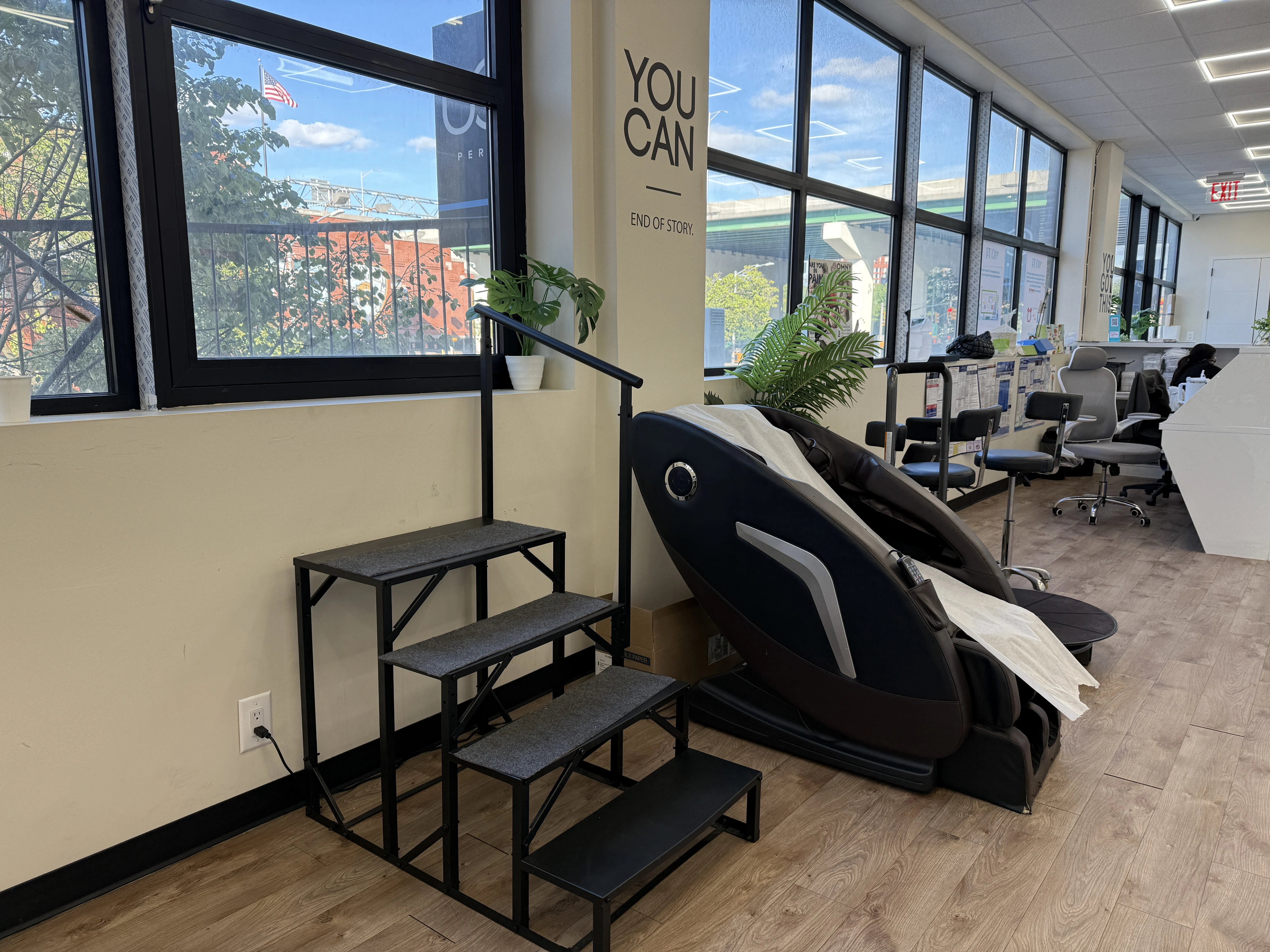

PT of The City is an official member of the Mount Sinai Trusted Rehabilitation Provider Network at select locations. This affiliation recognizes our advanced clinical excellence and aligns our care pathways with Mount Sinai's trusted network standards to ensure optimal patient outcomes.
FAQs
Our team will contact you within 30 minutes
<p>The therapist will discuss the following:</p> <ul> <li>Your medical history.</li> <li>Your current problems/complaints.</li> <li>Pain intensity and what aggravates/eases the problem.</li> <li>How this is impacting your daily activities or your functional limitations.</li> <li>Your goals with physical therapy.</li> <li>Medications, tests, and procedures related to your health.</li> </ul> <p>The therapist will then perform the objective evaluation, which may include some of the following:</p> <ul> <li><strong>Palpation:</strong> Touching around the area of the pain/problem to check for tenderness, swelling, soft tissue integrity, tissue temperature, inflammation, etc.</li> <li><strong>Range of Motion (ROM):</strong> Moving the joint(s) to check for the quality of movement and any restrictions.</li> <li><strong>Muscle Testing:</strong> Checking for strength and the quality of muscle contraction. Pain and weakness may be noted. Often muscle strength is graded. This is also part of a neurological screening.</li> <li><strong>Neurological Screening:</strong> Checking how nerves communicate with muscles, sensing touch, pain, vibration, or temperature. Reflexes may be assessed.</li> <li><strong>Special Tests:</strong> Performing special tests to confirm/rule out the presence of additional problems.</li> <li><strong>Posture Assessment:</strong> Assessing the positions of joints relative to ideal and each other.</li> </ul> <p>The therapist will then formulate a list of problems you are having and how to treat them. A plan is subsequently developed with the patient's input. This includes:</p> <ul> <li>Frequency of therapy sessions (times per week).</li> <li>Duration of therapy (number of weeks).</li> <li>Home exercise programs.</li> <li>Patient education.</li> <li>Short-term and long-term goals.</li> <li>Expected outcomes after discharge from therapy.</li> </ul> <p>This plan will be created with input from you, your therapist, and your doctor.</p>